


Find the Best Maintenance Company in Kent: Guide
Choose a property maintenance company whose services match the fault and whose coverage includes your address. Start by identifying the work required, then establish whether the provider serves your area. For an urgent problem, clear details about the fault and its effects help the team assess the response needed.
A breakdown can disrupt heating, hot water or the day-to-day use of a property, while even a small repair may need prompt attention. Landlords, letting agents and homeowners need to know how routine maintenance differs from an urgent repair and which trades can resolve the issue.
This guide sets out the maintenance services available, explains how emergency requests are handled, and outlines how to establish whether a service area includes your town and postcode. You’ll also learn what to consider for boiler, plumbing, heating and general property repairs, so you can understand the options and decide on a practical next step.
Table of Contents
Reactive maintenance
Reactive maintenance addresses faults after they appear. A sticking door, failed heating or leaking pipe can disrupt a property. Record what happened, where it is happening and whether the problem is getting worse. Photos and a clear written description help a landlord or property manager understand the issue. Include when you noticed it and which rooms or belongings are affected.
In a rented home, tenants should report problems in writing to their landlord or letting agent as soon as possible. Include the affected room, when the fault began and any visible damage. Keep a copy of the message and note any reply. This record makes it easier to track updates and explain how the problem has changed.
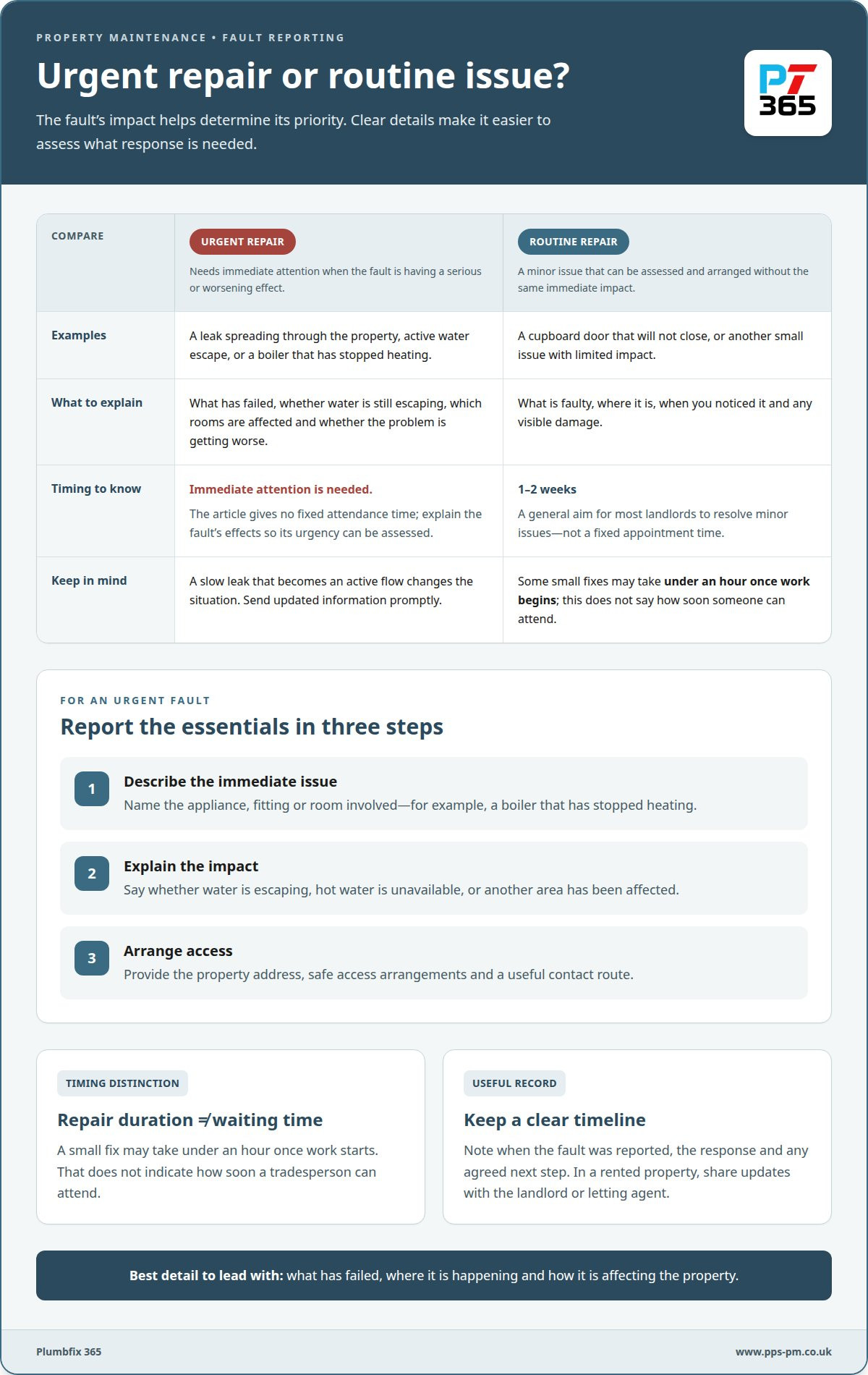
There is no single timeframe for every property repair, but urgent issues need immediate attention. Priority depends on the fault and its impact. A leak spreading through a property, for example, needs a different response from a cupboard door that will not close. Explain the consequences clearly, not just which item is broken.
When assessing reviews and experience, look for repeated feedback about similar repairs, communication and completed work. Relevant experience matters most: heating work, for example, is more useful evidence for a heating fault than general decorating experience. A high rating alone does not show whether a company has handled the problem you face. Compare reviews for patterns that relate to your job.
Insurance, licences and qualifications are separate considerations, and the relevant evidence depends on the work. Ask to see insurance documentation and check that any stated trade credentials relate to the task, such as gas work. A general maintenance record does not, by itself, demonstrate specialist experience. Match the evidence to the repair before agreeing the work.
In England, landlords are generally responsible for repairs to a rented property’s structure, heating, water and electrics. Tenants should report problems promptly in writing, and urgent issues should be acted on immediately. A dated report and a record of follow-up messages help both sides track progress from the initial notification through to completion.
Contracts and guarantees set out different terms. A contract can describe the agreed work, access arrangements and responsibilities; a guarantee explains what support applies if workmanship is defective. Read both documents carefully and check that the task, completion expectations and relevant terms are clear before work begins. Keep copies with your property records.
To verify references and credentials, compare the company name across its documents, review examples relevant to the repair, and check that certificates match the trade. Watch for unclear work descriptions, missing records or unsupported claims. For heating faults, establish whether the issue concerns a repair or a replacement, and make sure the written scope reflects the work being considered.
Response times and emergency requests
A repair’s duration and the wait for help are different measures. Some small property maintenance fixes may take under an hour once work begins, but that does not indicate how soon a tradesperson can attend. Access, the fault’s location and whether parts are needed can all affect progress.
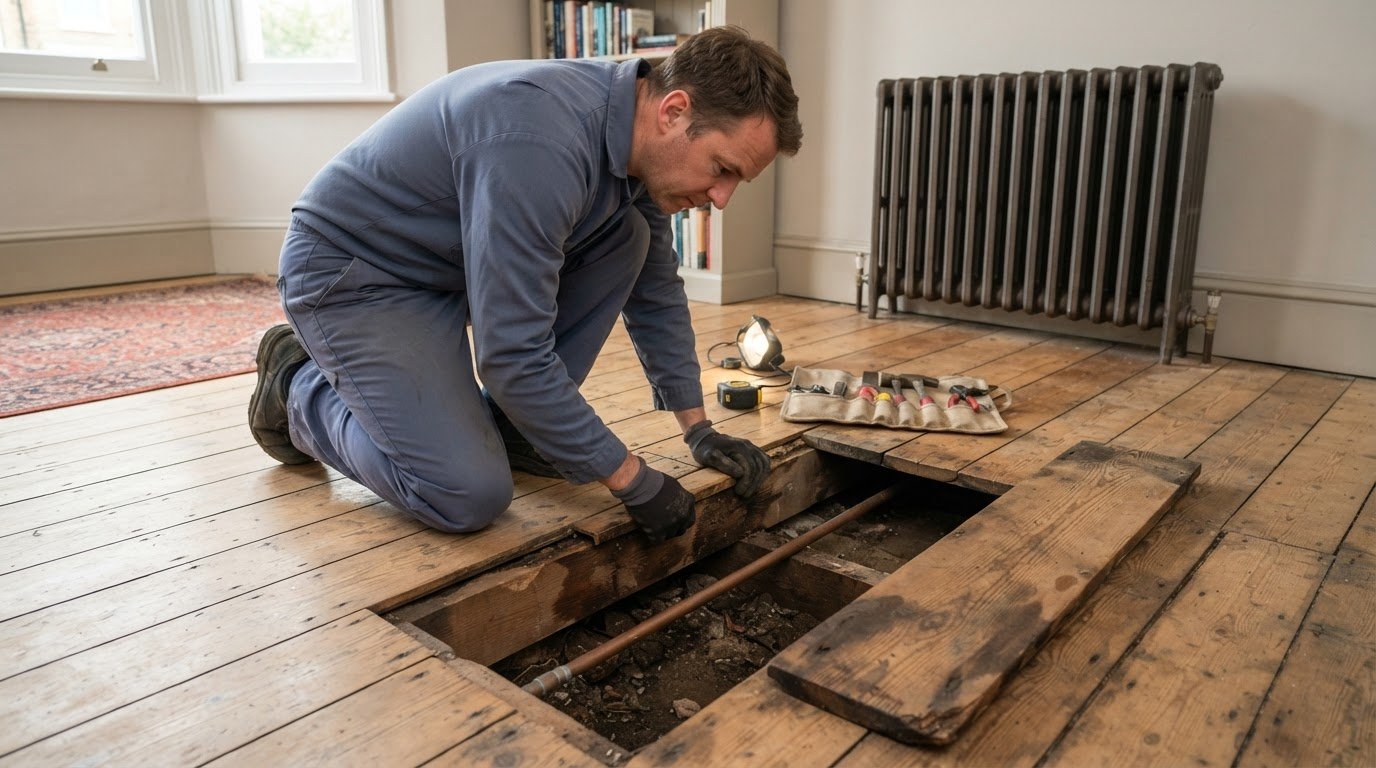
For minor property issues, most landlords aim to resolve them within 1-2 weeks. That is a general aim, not a fixed appointment time. A dripping tap and a leak spreading beneath flooring need different priorities. Explain what has failed and how it is affecting the property, so the person arranging work can assess urgency.
For an urgent repair request, provide practical information from the outset. Give the property address, safe access arrangements and a concise description of the fault. Say whether water is still escaping, which rooms are affected and whether the problem is worsening. These details help distinguish an active incident from a repair that can be scheduled routinely.
Use this sequence when reporting an urgent fault:
Describe the immediate issue: identify the appliance, fitting or room involved, such as a boiler that has stopped heating.
Explain the impact: say whether there is active water escape, loss of hot water or damage to another area.
Arrange access: provide entry details and a useful contact route for the person attending.
Keep a record of when you reported the problem, the response and any agreed next step. In a rented property, share updates with the landlord or letting agent managing the repair. If the fault changes, such as a slow leak becoming an active flow, send the new information promptly. A clear timeline helps everyone understand what has happened and what remains outstanding.
Before work starts, establish whether the visit is for assessment, temporary control or a complete repair. The cause may need to be identified before the right fix can be planned. For homeowners and property managers, make the repair request specific and include the address, access details and the effects of the fault.
Building maintenance and major works
Property maintenance covers more than isolated faults. A loose roof tile, damaged plaster or bathroom problem can affect other parts of a property if left unattended. Grouping related work into one planned visit can help owners and property managers coordinate access, materials and trades. Start by listing each defect, its location and any visible changes.
For larger jobs, divide the scope into clear tasks before work begins. A roof repair might involve tracing where water enters, inspecting affected areas and repairing the damaged section. A bathroom repair may involve several fittings or surfaces, so record what needs attention instead of describing the whole room as faulty. Clear task descriptions help everyone understand what the work covers.
Larger property maintenance jobs may require half a day or a full day of work. The time depends on the defect, access and the amount of work required. Repairing one area of plaster, for example, differs from removing damaged material, preparing the surface and finishing it. Ask for the work stages and any follow-on tasks to be set out in writing.
A practical way to manage major works is to organise the job in stages:
Inspect and record: note each defect, take photographs and identify rooms or external areas affected.
Set the scope: separate essential repairs from improvements, such as fixing a roof leak before redecorating a marked ceiling.
Plan access: agree which rooms, shared spaces or external areas need to be reached.
Review completion: compare the finished work with the recorded task list and note any remaining items.
For rented properties, landlords are generally responsible for repairs to the structure, heating, water and electrics. Leaseholders should check their agreement to establish which maintenance responsibilities belong to them and which belong to the freeholder. A roof defect affecting a flat, for example, may involve different responsibilities from a repair inside the leaseholder’s home.
A general property check-up once a year is a useful rule of thumb. Look for changes such as cracked sealant around a bath, loose handles or marks that may indicate a roof issue. Record what needs attention and distinguish routine maintenance from larger improvement work. This gives owners and managers a clearer basis for scheduling repairs and tracking the property’s condition over time.
Cost is another part of planning maintenance in Kent. These figures provide a starting point when deciding which work to ask about, but the specific scope still matters: a repair involving several stages may differ from a straightforward task. Set out the defects and requested work clearly when seeking a price, so the estimate relates to the job you expect to be done.
When reviewing a quote, compare its listed tasks with your inspection notes and ask whether follow-on work is included. If the scope changes after work begins, clarify the change and its cost before proceeding. Keeping the agreed work and any updates together makes it easier to check what has been completed and what remains. For larger repairs, this also helps owners and managers distinguish the original maintenance need from additional work identified during the job.
Drainage and plumbing
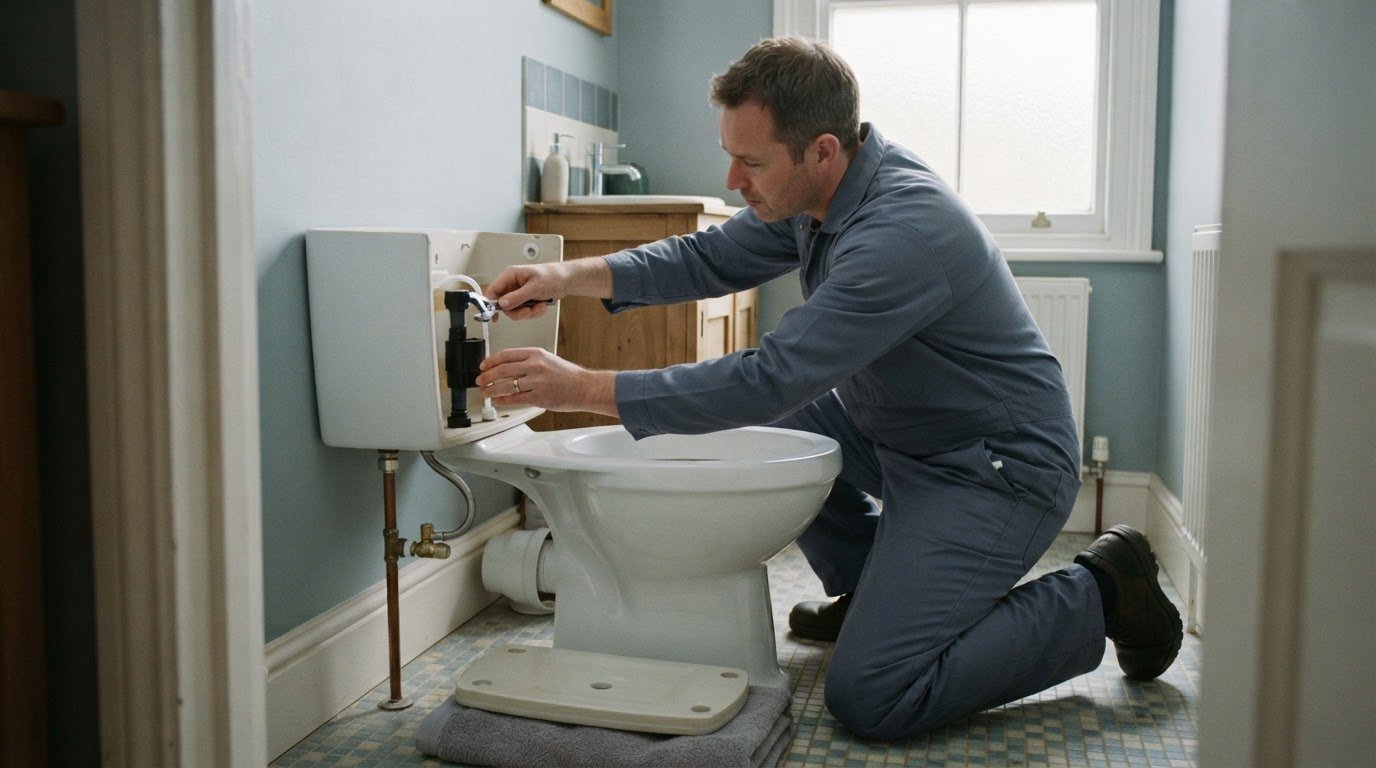
Plumbing and drainage problems can look similar, but the affected fixture offers clues. A leaking tap, faulty toilet cistern or loss of hot water points to a plumbing issue. Slow drainage from a sink or water backing up through a waste outlet may indicate a drainage problem. Describe exactly what you can see before arranging work.
For a plumbing fault, note its location and effect. A leak beneath a kitchen sink, for example, may be limited to one pipe or may affect the cabinet and floor. Include whether water is still escaping, which fittings are affected and whether the issue changes when a tap runs. These details help identify the right repair.
Blocked drains need a different response from general plumbing repairs. A blockage may affect one fixture or several outlets, so record where water is slow to drain and whether other sinks, toilets or baths are affected. Don’t assume every slow drain has the same cause. This business does not carry out drainage or blocked-drain work, so the distinction matters when deciding what help is appropriate.
To report a plumbing problem clearly, use these steps:
Identify the fitting: name the tap, toilet, radiator or pipe involved.
Describe the symptom: explain whether it leaks, fails to operate or affects hot water.
Record the impact: note any damp patch, damaged surface or loss of use.
Share useful evidence: provide a clear photograph where it helps show the fault.
For a leak, explain whether it is active or has stopped, and mention any visible damage. If a toilet cistern keeps running, describe the sound and whether water continues entering the bowl. Avoid dismantling fittings if you are unsure how they work. A concise report helps a plumber assess the issue without confusing it with a drain blockage.
In a rented home, send the report to the landlord or letting agent managing repairs and keep a written copy. If a plumbing fault affects several rooms, list each area rather than reporting only the nearest fixture. This information can help distinguish a local fitting fault from a wider water-supply issue.
For guidance on the details to provide during a plumbing emergency, use this emergency plumbing repairs guide. A clear description of the fitting, symptom and impact helps direct the request towards the relevant plumbing work, rather than drainage services.
KENT MAINTENANCE LTD is registered under SIC code 37000 for sewerage. That registration describes a business classification; it does not, by itself, establish that a particular blocked drain or sewerage problem is within the work offered. When making an enquiry, explain whether the concern is a leaking or faulty fitting, slow drainage, or water backing up, and identify the affected outlet. If the symptoms point to a blockage, make that clear rather than describing it only as a plumbing fault. This helps avoid confusion about the type of service needed. Where the problem is unclear, report the observations without guessing at the cause, and ask the appropriate repair contact to confirm whether the issue falls within their service.
Kent towns and postcode coverage
Property maintenance companies operating across London and Kent include general property repair businesses and specialist plumbing and heating firms. Their service areas can differ: a company covering both regions may serve some towns more readily than others. Match the type of work and your property’s location before arranging a visit.
Coverage is often described by county, town or postcode. Kent is a broad area, so a county-wide statement alone may not show whether a particular address falls within a working area. Town names give a useful first indication, whilst a full postcode helps distinguish neighbouring districts and addresses near service-area boundaries.
Dartford is one useful location to consider when comparing local coverage. A property near a town boundary may have a different practical journey from one in its centre, even when both share a broad county label. For a repair request, include the town and full postcode from the outset. This helps route the enquiry to the right local area.
Use these details to assess coverage for a home, rental property or managed building:
Town: state the town or village, such as Dartford, rather than Kent alone.
Postcode: provide the full postcode so the address can be located precisely.
Property type: explain whether it is a house, flat or managed building.
Work required: describe the repair, such as a plumbing fault or general property repair.
Ask about service areas in practical terms, not just county names. For example, distinguish a property in Dartford from one elsewhere in Kent, and specify whether the work concerns a single home or several managed addresses. A letting agent overseeing properties across different towns can organise requests more clearly by recording each property’s postcode and repair type.
For a multi-property portfolio, keep a simple address list grouped by town and postcode. Add the issue beside each address, such as a heating fault or damaged internal surface. That record helps managers see which requests concern the same area and communicate each job accurately. It also reduces confusion between similar street names in different towns.
We are a trusted property Maintenance company providing reliable, high-quality services across London and Kent by matching the stated locations to your actual address and required work. If your property is in Dartford, you can view local property maintenance support and use your postcode to describe where help is needed. A precise location gives the clearest starting point for arranging property repairs.
We are a trusted property Maintenance company providing reliable, high-quality services across London and Kent: Boiler Installation
We are a trusted property Maintenance company providing reliable, high-quality services across London and Kent supplying boiler installation and boiler servicing for residential and commercial properties across the region. These services are relevant when an existing boiler needs replacing or requires routine attention. The right next step depends on the property’s heating needs and the work required.
For broader property concerns, we also offer property maintenance and carpentry. This gives homeowners, landlords and property managers a route for addressing suitable maintenance jobs alongside heating work.
To discuss boiler installation, servicing or property maintenance, contact our team to arrange an initial consultation.
Take the next step with a clear work request
Turn your property notes into a focused request. State the address, describe the repair or upgrade, and explain who can arrange access. For landlords and letting agents, include the best contact for updates. This gives a maintenance company in Kent a clear starting point and helps keep the next steps organised.
Plumbfix 365 can help with boiler installation and local plumbing needs across London and Kent. Choose the relevant service for the job, whether you’re planning a heating upgrade or need help with a plumbing fault. A concise description of the property and work will make your enquiry more useful.
Contact us about maintenance in Kent to discuss the work you need. A clear first step can make managing your property repairs feel more straightforward.
Frequently Asked Questions
Which Kent maintenance companies cover my town or postcode?
Coverage depends on each company’s stated service area, so compare your full postcode with its coverage information. A county-wide description may not clarify whether every district is included. For example, two addresses in the same postcode district can still have different access arrangements. Note your full address and the repair type before comparing providers, then use the stated coverage details to identify suitable options.
What services do Kent property maintenance companies offer?
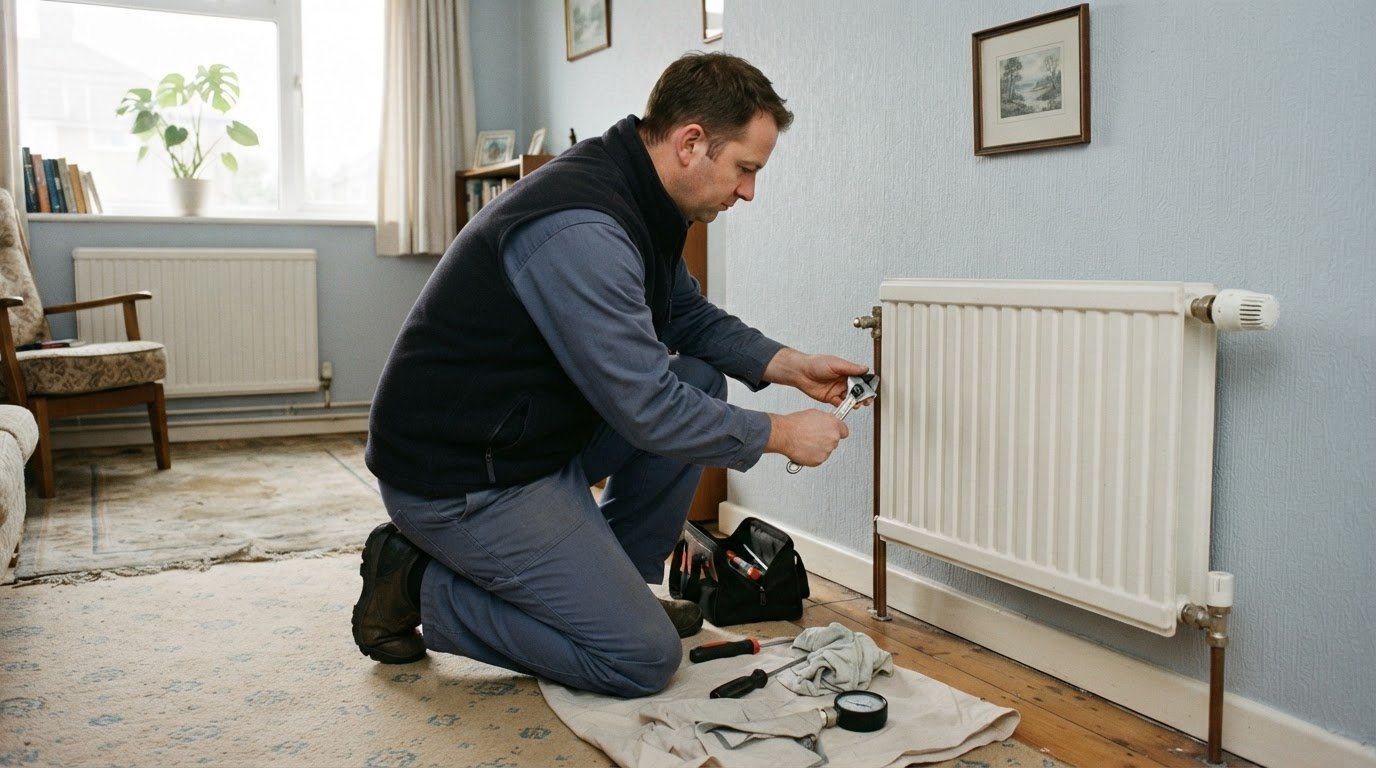
Services vary, but may include property repairs, plumbing, heating, boiler installation and servicing, carpentry, plastering, and decorating. Some specialists also handle radiator fitting and unvented hot water cylinder maintenance. Match the trade to the job: a boiler fault needs heating expertise, while damaged woodwork may call for a carpenter. Drainage and blocked-drain work is a separate category, so check that the service you need matches the company’s stated work.
What should I check before hiring a property maintenance company in Kent?
Check that the company’s experience and qualifications match the work, and ask for a written scope describing the task and what completion involves. For gas work, Plumbfix 365 states that its technical work is carried out by Gas Safe Registered engineers. Also review the company’s insurance information, relevant references and written terms. For example, compare a reference for boiler work with your own boiler installation or repair needs.
Do Kent maintenance companies provide free quotes, contracts, or guarantees?
A contract can set out the agreed work, access arrangements and responsibilities; a guarantee explains what support applies if workmanship is defective. Read both carefully before work begins.
Comments