


Commercial Plumbing Maintenance for Business Properties
Planned commercial plumbing maintenance helps identify leaks, worn fittings and developing faults before they disrupt a business property. Commercial boilers should be serviced at least annually, with more frequent servicing advisable for high-use systems or premises with continuous heating or hot water demand. For a multi-site portfolio, a planned approach helps keep checks and maintenance organised across buildings.
It’s easy to focus on plumbing only when something goes wrong. Regular commercial plumbing maintenance can help property owners, letting agents and management teams identify issues early and plan work around how each building is used.
This article explains what inspections can cover, how preventative maintenance supports commercial properties, and what to consider when planning drain cleaning and water heater care. You’ll also see how We are a trusted Property Maintenance company providing reliable, high-quality services across London and Kent supports residential and commercial customers with plumbing and heating services, including boiler servicing and repairs.
Table of Contents
Planned plumbing inspections and preventative maintenance
Planned inspections help businesses find leaks, deteriorating fittings and developing faults before they interrupt building operations. Routine checks also give property teams clear records for prioritising repairs and coordinating work across sites.
Reactive repairs address faults after they appear; planned maintenance schedules inspections and follow-up work in advance. A maintenance plan makes checks predictable, while relying on emergency call-outs alone provides no routine inspection schedule.
Routine plumbing checks
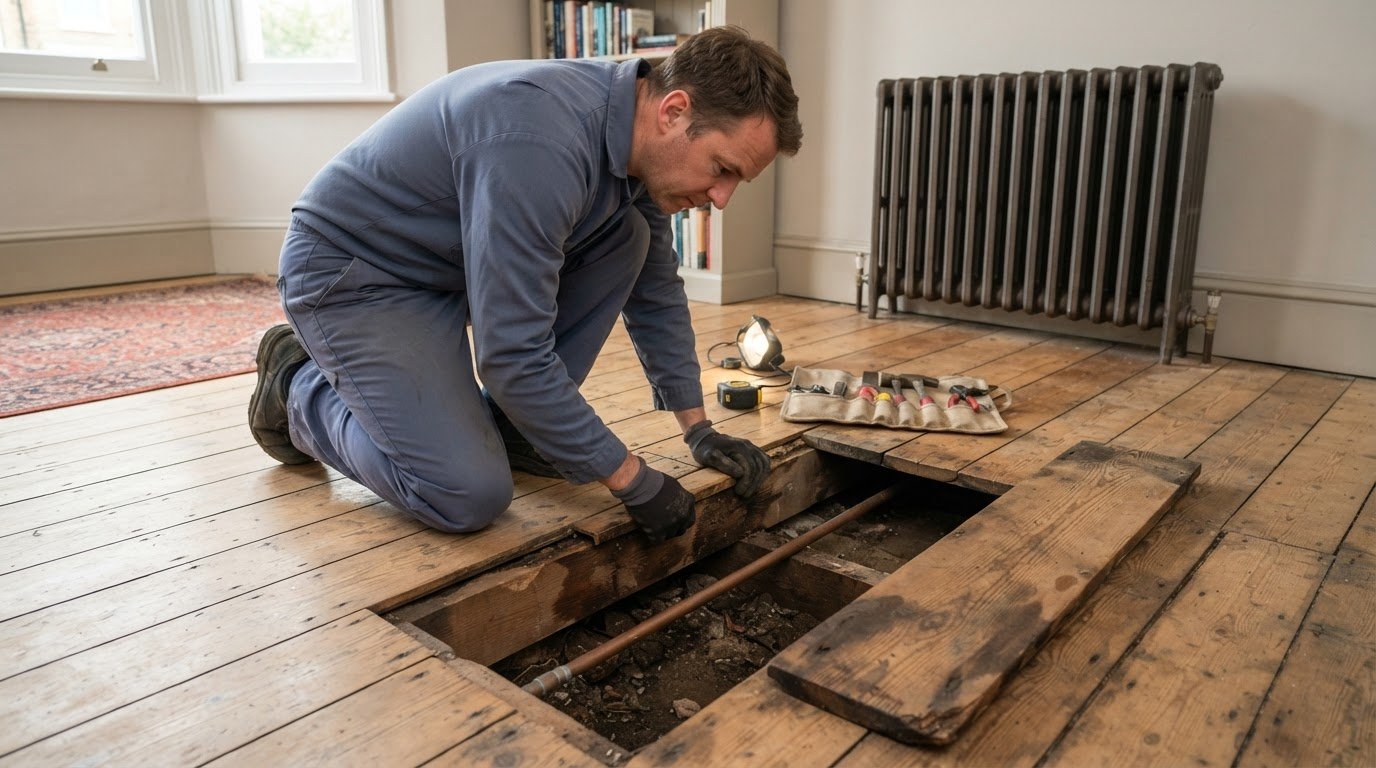
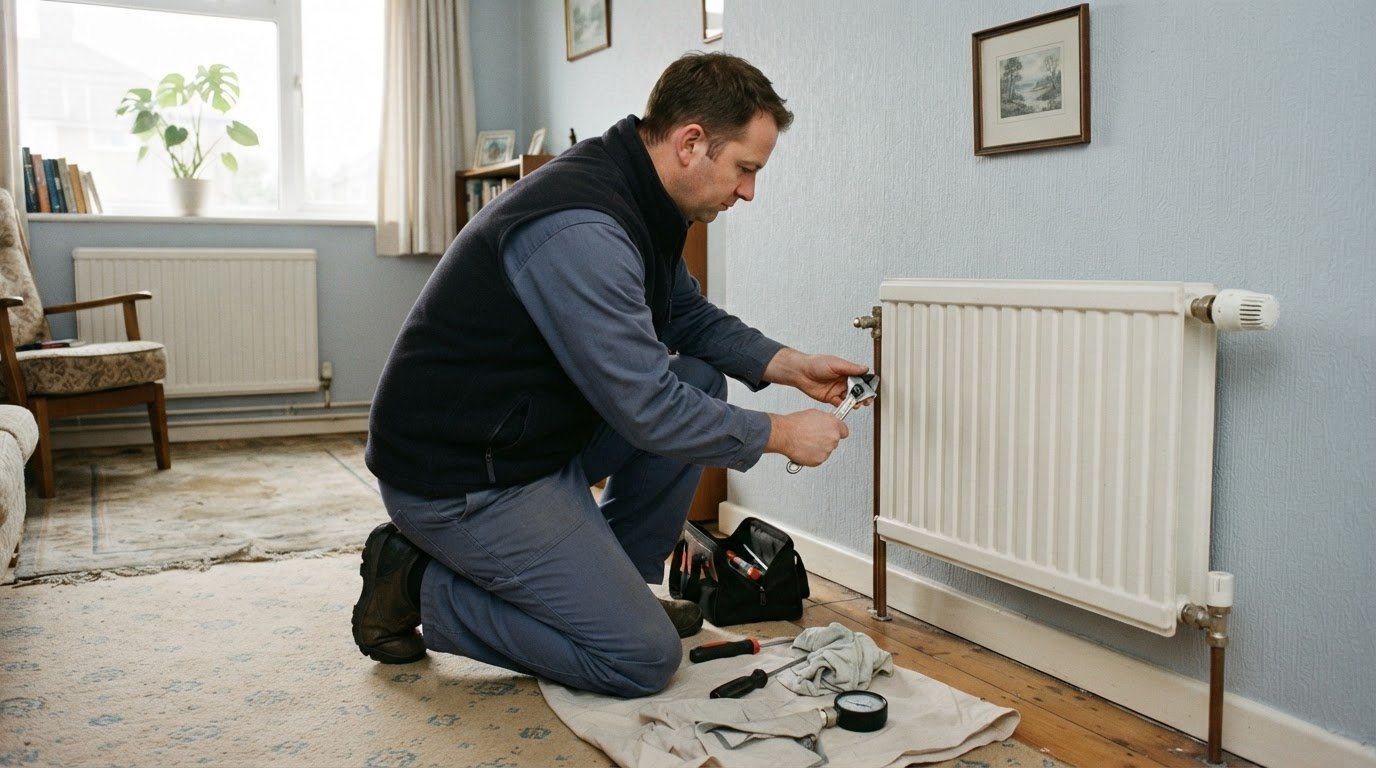
A routine visit can include checking for leaks, inspecting valves and pipework, assessing water pressure, and testing backflow prevention. These checks can highlight a dripping joint, a stiff valve or pressure changes that may indicate a developing fault.
Record the location, condition and recommended action for every finding. Property teams can then distinguish urgent repairs from work that can be scheduled. Clear records also make recurring problems easier to identify, such as leaks around the same fitting.
Preventative maintenance plans
Planned preventative maintenance turns inspection findings into scheduled tasks. The plan should reflect each building’s fixtures, water use, pipework condition and operational needs, rather than applying an identical checklist everywhere. Businesses can schedule inspections monthly, quarterly, bi-annually, or annually, according to the property’s requirements.
After inspection, group findings by urgency and assign a follow-up action. A minor leak may need prompt repair, while a sound valve can remain on the next routine inspection list. This approach helps reduce avoidable disruption and supports reliable plumbing.
For premises with gas appliances, the UK legislation register states that the Gas Safety (Installation and Use) Regulations require appliances in non-domestic premises to be maintained in a safe condition. Planned boiler upkeep can form part of a wider maintenance schedule. Heating maintenance planning can help coordinate that work with other property checks.
Maintenance contract options
A planned maintenance arrangement should set out the inspection schedule, systems covered, reporting process and how follow-up repairs are handled. Look for clear boundaries between routine visits and additional work, along with a process for recording defects and tracking completion.
How should a business compare planned maintenance with reactive repairs? Compare the inspection scope and reporting with the faults the property has experienced and the disruption they caused. Planned maintenance provides scheduled checks; reactive repairs address faults after they arise. The right balance depends on building use, system condition and the impact of service interruption.
For a multi-site operation, consistent reports help managers compare findings across properties and coordinate maintenance windows. Reports should identify each asset, its condition, the recommended action and its status. This makes compliance tasks easier to track and helps prevent unresolved defects from being overlooked.
Drain cleaning and water heater maintenance
Water and drainage systems serve kitchens, washrooms and staff facilities, so faults can disrupt several areas at once. Keep drainage needs distinct from the plumbing and heating tasks in a maintenance programme.
Drain cleaning
Record drain-cleaning needs as a separate facilities task. Note the affected outlet, symptoms and whether the issue has returned. Recurring slow drainage from a kitchen sink, for example, is useful information for the team responsible for that work. Separate records help distinguish drainage requirements from checks or repairs to water heaters and other plumbing equipment.
Include the location and operational effect in the site record. A slow outlet in a staff kitchen may affect daily use differently from one in a seldom-used area. Clear notes help facilities managers prioritise the issue and coordinate appropriate work without treating every drainage concern as the same task.
Pipe and drainage system checks
Commercial plumbing inspections can check pipes and drainage systems for leaks, blockages and deterioration. Identify the affected route or fixture in property records and describe what was observed. This helps distinguish a pipework concern from a drainage issue and clarifies what work may be needed.
Consider how each finding affects the premises. An issue near one wash basin differs from a concern affecting several facilities. Keep drainage observations in the relevant maintenance record, separate from plumbing and heating repairs. This clarifies responsibilities when several building systems need attention.
Water heaters also need attention. An inspection may assess sediment build-up, corrosion, leaks and whether temperature settings are appropriate. In a system serving several washrooms, a change in hot-water performance can affect staff and visitors across the property. Record the symptom, affected outlets and whether the issue is consistent or intermittent.
Commercial boilers should be serviced at least annually. More frequent servicing is advisable for high-usage systems or premises with continuous heating or hot-water demand. System condition and actual demand help determine follow-up work. Boiler engineers can assess servicing needs and faults affecting heating or hot water.
For useful records, group findings by system and location: water heaters, boilers and plumbing pipework. Add the observed condition, operational effect and proposed next step. Keep drainage observations in a separate facilities record. This helps teams track work across properties and assign tasks to the right maintenance category.
When an issue returns, note its previous location and reported symptoms. A pattern of recurring slow drainage, for example, can help the facilities team identify what needs attention. Keep those observations separate from a leaking heater or boiler fault, which belongs in the relevant plumbing or heating record.
Professional inspections and self-inspections
Professional inspections assess plumbing components that a visual walk-through cannot fully evaluate. Site teams can help by reporting changes, such as a leaking tap or inconsistent hot water.
A commercial plumbing maintenance plan starts with a list of the building’s systems and fixtures. Set inspection intervals, record findings, assign follow-up work and review completed actions.
Routine inspection schedules
Inspection frequency should reflect building use, system condition and previous findings. A busy washroom with recurring pressure complaints may need closer attention than a lightly used area with stable fixtures. Review earlier inspection reports for patterns and adjust the schedule where needed.
Professional inspections can assess pipework, valves, pressure and backflow prevention. They can also identify leaks, corrosion or deterioration that a quick visual check may miss. Keep inspection records with dates, locations, findings and actions so facilities teams can track whether issues return.
Between professional visits, staff can report visible signs such as damp patches beneath a basin, a tap that no longer shuts properly or unusual changes in water flow. These observations help engineers focus their assessment. They are not a substitute for technical inspection or testing.
Water heater and boiler inspections
A water-heater inspection can assess sediment build-up, corrosion, leaks and temperature settings. Record a new leak around a cylinder connection with its location and effect on the hot-water supply. Engineers can use this information to assess the equipment and identify appropriate follow-up work.
Boiler checks should consider visible leaks, corrosion and system performance. Commercial boilers should be serviced at least annually; more frequent servicing is advisable for high-usage systems or premises with continuous heating or hot-water demand. Record the service outcome and any repair recommendations alongside other inspection records.
Plumbing fixture inspections
Inspectors can assess fixtures for pressure issues, corrosion, leaks, rust and damage. A loose tap, for instance, may indicate wear at the fixture or its connection. Recording the symptom and location helps distinguish an isolated fault from similar problems elsewhere in the building.
Water quality testing may also form part of an inspection. It can assess contaminants, including bacteria that could make water unsuitable for human consumption. If testing is included, keep the findings with the relevant property and system records rather than relying on informal observations.
Routine self-inspections work best as a reporting process. Give staff a simple way to note the affected fixture, the observed change and when it began. A report of intermittent hot water in one washroom gives a professional inspector a specific starting point. This keeps observations useful while leaving technical assessment to qualified engineers.
Plumbing support for multi-site property portfolios
Managing plumbing across several premises takes more than booking repairs as faults arise. A shared process helps property teams coordinate planned work, respond consistently to new issues and limit disruption to daily operations.
Start with a central asset register for each property. Record the location of key pipework, isolation valves, boilers, water heaters and main facilities. Add inspection findings and completed repairs against the relevant site and system. If a leak recurs near the same kitchen connection, managers can find its history without searching separate email chains.
Next, group premises by use and operational impact. A building with busy washrooms or continuous hot-water demand may need different maintenance priorities from a lightly used office. Note which facilities depend on each system, then use that information to plan inspections and work windows. This directs attention to faults that could affect the most activity.
Record each issue against its property, room and plumbing asset.
Describe the symptom, such as low pressure at a staff washroom tap.
Assign an action, responsible person and follow-up status.
Keep inspection reports and repair records together for each site.
Use one reporting route for site managers and facilities teams. A report of a dripping valve should give its precise location and explain whether it affects a working area. The central team can assess urgency, arrange the appropriate plumbing response and keep the local manager informed. Consistent information helps engineers prepare for the reported issue.
Coordinate planned visits around each premises’ operations. Work near a staff kitchen, for example, may fit better outside its busiest period. Where several nearby sites need attention, grouping visits can help managers organise access and reduce repeated disruption. Record operational restrictions before confirming the maintenance window.
Portfolio reports should show open findings, completed work and issues awaiting follow-up. A concise site summary helps managers spot recurring faults, such as repeated leaks across similar fittings, and decide whether a wider review is needed. It also gives property teams a practical record for maintenance planning and compliance management.
The key is consistency without assuming every building is identical. Use the same reporting fields across the portfolio, but adapt inspection priorities to each system’s condition, use and operational impact. This gives decision-makers a clear view of portfolio needs while helping local teams report problems promptly and support reliable plumbing.
What does commercial plumbing maintenance include?
Commercial plumbing maintenance can cover planned checks, boiler servicing and follow-up repairs. The scope depends on the equipment present, its condition and how the building uses water and heating. A maintenance record can identify the assets covered, who manages access and how findings feed into the next work plan.
For pipework and fittings, an inspection can assess visible leaks, valve condition, pressure concerns and signs of corrosion or damage. The report should link each observation to its location and operational effect. A leak beneath a staff-room sink, for example, should be recorded against that fixture, not simply as a general plumbing issue.
Hot-water equipment also needs a place in the maintenance schedule. Water heaters can be checked for leaks, corrosion, sediment build-up and appropriate temperature settings. In a property with several hot-water outlets, note which ones show a change in performance. This helps distinguish a local symptom from an issue affecting the wider supply.
Boiler servicing and repairs are separate tasks within a broader property plan. Commercial boilers should be serviced at least annually, with more frequent servicing advisable for high-usage systems or premises with continuous heating or hot-water demand. Keep each service outcome with the relevant boiler record, including recommended actions and whether they are complete.
A useful maintenance record follows an asset from inspection to action. Identify the property, system, affected component, observed condition and next step. Then record completion against the same item. This helps managers see whether a concern remains open, has been addressed or needs further attention.
Before setting the scope, map the plumbing and heating assets at each premises. Include fixtures, accessible pipework, valves, water heaters and boilers. Building use, previous findings and equipment condition help determine which checks matter and when. A repeat leak around one fitting, for instance, may warrant closer review than an isolated observation.
Agree how staff should report changes between planned visits. A useful report names the affected room, describes the symptom and explains its effect on normal use. This gives maintenance teams a clear starting point without treating informal observations as a technical inspection.
Keep the written scope focused on the work being arranged. Distinguish planned checks, boiler servicing and repairs, then show how each finding will be recorded and followed up. This gives property teams a practical basis for coordinating maintenance across buildings and keeping asset records useful.
We are a trusted Property Maintenance company providing reliable, high-quality services across London and Kent
We are a trusted Property Maintenance company providing reliable, high-quality services across London and Kent. We help property owners and managers organise plumbing and heating support when inspection findings identify a fault or planned work is due.
Our property maintenance services include relevant plumbing and heating repairs and servicing. Share the premises, reported issue and access requirements so we can understand the work in context.
For practical support with property maintenance, contact us to discuss your requirements.
Make your next maintenance decision count
Turn inspection findings into a working plan and assign an owner to each action. Set a review point when building use changes, a fault recurs or equipment needs attention. This keeps maintenance decisions connected to how each premises operates, rather than leaving old recommendations unaddressed.
A practical commercial plumbing maintenance plan helps property teams decide what needs attention now and what belongs in future scheduled work. Make the next action clear, record when it is complete and update the plan when new information changes priorities. Across a portfolio, use the same approach at each site while allowing for different systems and demands.
If you're planning plumbing or property maintenance work, We are a trusted Property Maintenance company providing reliable, high-quality services across London and Kent can discuss the requirements for your premises. Share the issue or planned work to help frame the next step clearly.
Contact the property maintenance team to discuss your requirements. A well-organised plan gives your team a practical way forward.
Frequently Asked Questions
Can you maintain plumbing across multiple properties?
Yes. Plumbfix 365 supports commercial customers, so property managers can coordinate plumbing and heating needs across several sites. Keep a separate issue record for each location, including access notes, affected equipment and priority. For example, record a boiler fault at one building separately from a leaking pipe at another. Site-specific details help managers track follow-up clearly across a portfolio.
Do you provide emergency commercial plumbing call-outs?
Yes. Plumbfix 365 provides rapid emergency plumbing repairs for urgent leaks and pipework issues. For a commercial call-out, describe the affected area, visible symptoms and impact on business activity. This gives the team practical context for assessing the issue. If water begins affecting another room or facility, update the report with that change so the new impact is clear.
Do you undertake planned plumbing maintenance?
Yes. Planned property maintenance can arrange plumbing and heating work before faults interrupt operations. Identify the premises, equipment and work required, then note access restrictions or operating hours. A manager might, for example, request work in a staff kitchen outside its busiest period. Clear planning helps coordinate the work with the building’s day-to-day use.
Do you work on all types of commercial premises?
Plumbfix 365 supports commercial customers with property maintenance, plumbing and heating needs. The work can be scoped around the building and the issue involved. An office boiler fault and a shop washroom leak are examples of general building maintenance needs. Share the premises type, affected equipment and problem so the required work can be understood in its operational context.
How quickly can you respond to a commercial callout?
Plumbfix 365 provides rapid emergency plumbing repairs for urgent leaks and pipework issues, but no fixed arrival time is promised. Explain the fault, site access arrangements and whether water is affecting occupied areas or business operations. These details help establish the urgency of the report. If the situation changes, provide an update describing the new symptoms or affected areas.
What documentation do you provide after a service or repair?
Plumbfix 365 provides detailed job reports with photographs. Keep the report against the relevant property and equipment, then record any follow-up work separately. For example, a manager can file photographs of a repaired pipe alongside the report for that site. This gives property teams a useful record of completed work and helps keep information for different buildings distinct.
How often should commercial plumbing systems be inspected and maintained in the UK?
Commercial plumbing inspections may be scheduled monthly, quarterly, bi-annually or annually. The appropriate schedule depends on system condition, building use and previous findings. Commercial boilers should be serviced at least annually, with more frequent servicing advisable for high-usage systems or premises with continuous heating or hot-water demand. Keep the inspection schedule and service records with the relevant property documents.
How do I choose a commercial plumbing maintenance contractor?
Choose a contractor whose stated work matches your property’s plumbing and heating requirements. A clear written scope should identify the work, reporting process and how follow-up repairs are recorded. For gas appliance work, Plumbfix 365 states that its technical work is carried out by Gas Safe Registered engineers and is 100% Gas Safe Registered. Detailed job reports with photographs can also support property records.
Comments