

Kitchen Cupboard Care: Cleaning and Protecting Surfaces
Could the wrong cleaning method dull painted cupboards while you're trying to remove grease? Good kitchen cabinet maintenance starts with matching the clean to the surface, not reaching for the strongest product.
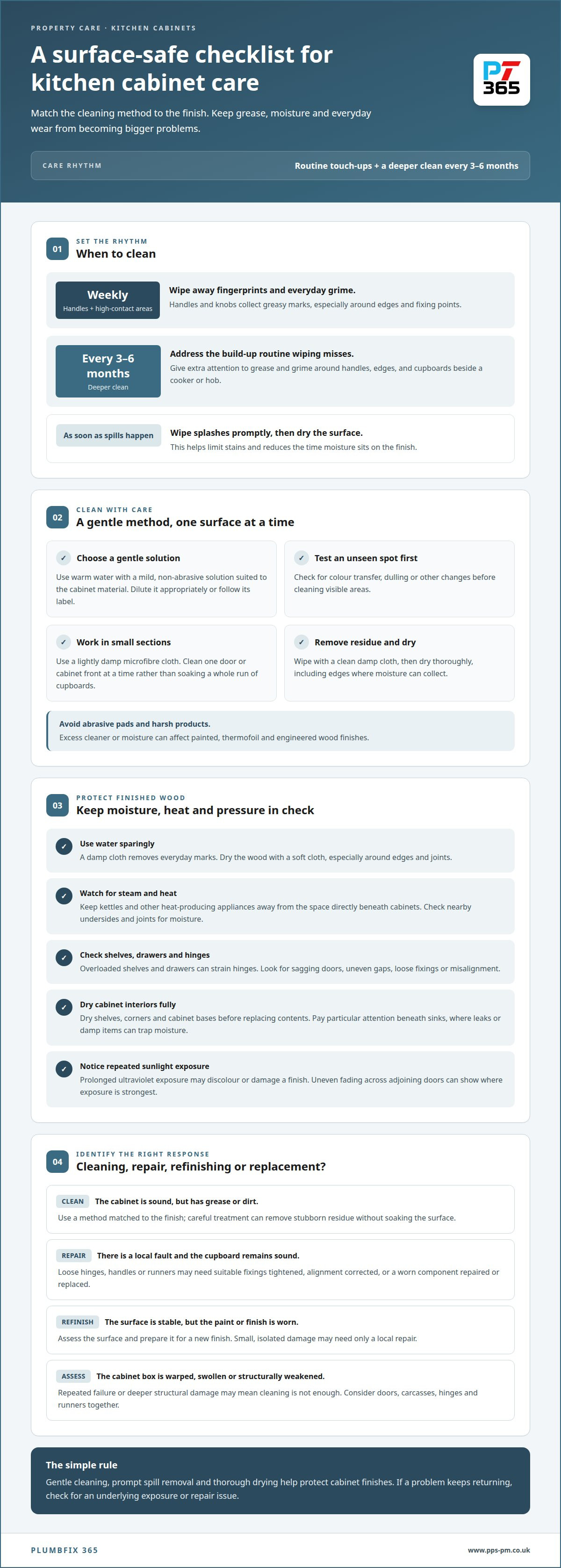
A deep clean every 3-6 months can help tackle the build-up that routine wiping misses. Professional cleaning is especially useful when grease and grime cling around handles, edges or the cooker, where careful treatment matters to protect the finish.
Painted cabinet doors need a different approach from finished wood. A professional can assess the surface, carefully remove stubborn residue, then rinse and dry it to reduce the risk of cleaner residue or excess moisture affecting the finish.
This guide explains when professional kitchen cabinet maintenance may be worthwhile and what the work can involve. You'll learn how to tackle grease, protect painted and finished wood surfaces, and recognise when cleaning alone won't refresh a worn cabinet finish.
Table of Contents
1. When should kitchen cabinets be professionally cleaned?
A professional deep clean every 3-6 months can remove grease and dirt that routine wiping misses. Handles and other high-contact surfaces benefit from weekly cleaning, while spills and splatters should be wiped promptly to limit stains. Cabinets beside a cooker or hob often need attention after cooking, when grease can settle on nearby doors. Regular kitchen cabinet maintenance can help keep this build-up manageable.
For a scheduled clean, a professional works methodically instead of soaking a whole run of cupboards. They clean one door or cabinet front at a time with a damp microfibre cloth and warm water mixed with a mild, non-abrasive solution. They then remove residue with a clean damp cloth and dry the surface, including edges where moisture can collect.
The safest way to clean cabinet doors and interiors is to choose a gentle, diluted solution suited to the material, apply it with a lightly damp cloth, then wipe and dry each surface. A professional tests the solution on a hidden spot first, checking for colour transfer, dulling or other changes before cleaning visible areas.
Painted, thermofoil and engineered wood surfaces need particular care because excess cleaner or moisture may affect their finish. A professional dilutes the solution appropriately or follows its label, and avoids abrasive pads and harsh products. Inside cabinets, they clean shelves and corners with a damp cloth, then let each section dry before replacing its contents.
Handles and knobs collect greasy fingerprints, especially around their edges and fixing points. A professional wipes them with a soft cloth, warm water and a gentle, non-abrasive cleaner. A small soft brush can reach residue in detailed grooves that a cloth misses. They dry each fitting afterwards to avoid leaving moisture around the metal.
Cleaning alone won’t fix loose fittings. A professional checks hinges for loose screws, wear and misalignment, then tightens suitable fixings and adjusts the door so it hangs evenly. They also inspect handles and drawer runners, securing loose connections and correcting alignment where possible. Worn or damaged components may need repair or replacement.
Repair makes sense when a door, hinge or runner has a local fault but the cupboard remains sound. Refinishing suits a stable surface with worn paint or a tired finish. Professional kitchen cabinet maintenance can include assessing the surface and preparing it for a new finish. Small, isolated damage may need only a local repair, not a full refinish.
Replacement becomes more relevant when cabinet boxes are warped, swollen, structurally weakened or repeatedly failing, rather than simply dirty. A professional assesses the doors, carcasses, hinges and runners together. This helps distinguish a surface that needs cleaning from a repair or finish problem, or a deeper structural issue that cleaning cannot solve.
2. How professionals prevent damage to finished wood surfaces
A professional protects finished wood by controlling moisture, heat and cleaning pressure. They wipe spills from cabinet doors promptly, before stains settle into the finish. For routine care, a damp cloth removes everyday marks without leaving the surface wet. They then dry the wood with a soft cloth, especially around edges and joints.
Choose cleaning products carefully. Abrasive cleaners can scratch a finish, while frequent exposure to cleaning solutions may affect finished wood. A professional uses a mild solution only when needed, applies it sparingly and removes residue with a clean damp cloth. They also avoid wax-removing furniture products, which aren’t intended for routine cabinet cleaning.
Heat and steam also need attention. Keep kettles and other heat-producing appliances away from the space directly beneath cabinets, where rising steam can damage surfaces. During an inspection, a professional looks for moisture around the appliance, cabinet underside and nearby joints. This can reveal repeated exposure before it causes swelling or changes to the finish.
Overloaded shelves and drawers can make doors sag and strain their hinges. A professional checks how cabinet doors sit, looks for uneven gaps and examines hinges for looseness or misalignment. They can identify whether contents need redistributing or a fitting needs adjustment or repair. For rental properties, these checks can form part of planned maintenance.
Moisture control supports cabinet hygiene. A professional removes food spills and residue, then fully dries shelves, corners and cabinet bases before anything goes back inside. They pay particular attention to areas beneath sinks, where leaks or damp items can trap moisture. Removing residue and drying surfaces helps limit conditions that can encourage mould growth.
Sunlight can also affect wood finishes. Prolonged ultraviolet exposure may cause discolouration, cracks or finish breakdown. A professional can point out where direct sunlight repeatedly reaches cabinet doors and discuss practical protection, such as blinds or curtains. They also check for uneven fading across adjoining doors, which can show where exposure is strongest.
To prevent damage from grease, moisture and heat, a professional removes splashes promptly, cleans with a restrained amount of water, dries finished wood thoroughly and checks appliance placement. They also inspect shelves, drawers and hinges for signs of strain, so emerging issues receive attention before they worsen.
When cabinet surfaces or fittings show recurring problems, an assessment can help identify whether the cause is ongoing exposure, a maintenance issue or a repair need. Addressing the underlying cause helps protect the finish and keep cupboards working properly.
3. Professional protective sealants for cabinet surfaces
A protective coating can help shield a suitable cabinet surface from everyday contact, but the material and existing finish must guide the choice. A professional identifies whether a door is finished wood, painted, laminate or metal before selecting a treatment. A sealant intended for wood may not suit laminate or painted surfaces, so using the same product on every cupboard can cause unwanted changes.
For wood cabinets, a polyurethane sealer provides a durable, water-resistant layer. The professional prepares the surface and applies the coating evenly, following the product instructions for application and drying. They pay particular attention to door edges and exposed end panels, where handling and splashes can wear the finish. The cabinet must be clean and dry before coating begins.
Test before applying a coating across the whole surface. A professional applies the proposed sealant to a small, hidden area, then checks whether it changes the colour, sheen or existing finish. This matters especially for cabinet doors with visible grain or a previously treated surface. If the test patch looks different, the coating is unsuitable for that finish.
Painted cabinets may need a clear lacquer to help protect against chipping or fading. The professional checks that the existing paint is sound, then tests the lacquer on a hidden spot. A compatible clear coat can preserve the appearance, while an incompatible layer may change the colour or sheen. Damaged paint may need attention before considering a protective coating.
Laminate needs a separate assessment. Its surface differs from exposed wood, so don’t assume a wood sealer is suitable. The professional checks for lifting edges, scratches and worn areas, then chooses a care approach that suits the existing finish. Cabinet hardware is treated separately because coatings intended for doors can interfere with metal fittings.
Not every protective product is a sealant. Beeswax furniture polish can be used on wood cabinets every 3-6 months, but polish and polyurethane serve different purposes. Metal surfaces also need care: abrasive products, waxes and polishes can compromise their protective coating. Vinegar is a cleaning ingredient, not a cabinet sealant, and shouldn’t be substituted for a finish designed for the material.
How often to reapply depends on the coating and surface condition. Kitchen cabinet door sealant should be reapplied once a year to maintain surface protection. Before renewing it, a professional assesses wear, adhesion and changes around handles or edges. This avoids layering a new product over a failing finish and helps ensure the treatment suits the cabinet material.
4. Professional removal of grease and stuck-on grime
Cooking deposits grease gradually, especially on cupboard fronts beside the cooker or hob. A professional first identifies the cabinet material and finish, then checks where grime has collected. Common hotspots include handles, door edges, trim and cabinet undersides. This assessment helps select a cleaning method that removes residue without unnecessarily wetting or abrading the surface.
For routine grease, the professional uses mild washing-up liquid mixed with warm water and a soft cloth. They clean one cabinet front at a time instead of spraying several doors and leaving the cleaner to sit. A lightly damp cloth lifts surface residue; a clean damp cloth then removes the soap. The professional dries the surface, paying attention to joints and edges.
Stubborn sticky residue may need a different approach. A hot water and vinegar solution can help loosen it, but the professional tests the mixture on a hidden area first. This checks for changes in colour or sheen before treatment reaches visible doors. Vinegar shouldn’t be applied indiscriminately, particularly when the existing finish is delicate or uncertain.
Forceful scrubbing can scratch or dull cabinet finishes. For stuck-on grime, a professional may wrap a delicate scourer in a cloth to keep the abrasive material from touching the surface directly. They work gently on the affected patch and reassess the residue, rather than pressing harder across the whole door. This controlled approach reduces the risk of damage.
Wood cabinets need particular care because excess moisture and repeated exposure to cleaning solutions can affect finished surfaces. The professional uses a damp, not wet, cloth and limits the cleaning solution to the greasy area. After loosening the residue, they wipe with a clean damp cloth and dry the wood with a soft cloth.
Handles and knobs often trap greasy grime in corners and around their fixing points. A professional cleans hardware with a soft cloth, warm water and a gentle, non-abrasive solution. A small brush can reach grooves a cloth misses. They dry the fittings promptly, then check the surrounding cabinet surface for cleaner residue or remaining grease.
Painted, thermofoil and engineered wood doors need diluted cleaning solutions or products used according to their labels. A professional tests the cleaner on a hidden spot, then treats visible areas with a lightly damp cloth. They wipe away residue and dry each door, because lingering cleaner or moisture may affect the finish.
After cleaning, the professional checks the treated area in good light for lingering grease, streaks or changes to the finish. If residue remains, they repeat a gentle pass rather than immediately reaching for a harsher cleaner. This measured process removes grime while preserving the existing finish, ready for everyday care between deeper cleans.
5. Professional maintenance for painted cabinets
Painted cabinets need a cleaning method that protects the coating while removing marks. Fingerprints around handles, food splashes near the hob and scuffs on lower doors all need careful attention. A professional first assesses the paint, noting chips, peeling edges, dull patches and areas where the finish has worn through.
For routine cleaning, the professional uses a soft microfibre cloth and a gentle, diluted solution. They wipe the door without hard scrubbing, then rinse until no soap or cleaner residue remains. Finally, they buff the surface dry with a clean microfibre cloth. This removes cleaning residue without leaving moisture on the paint.
Harsh chemicals and abrasive cleaners can strip the finish from cabinet doors, so a professional avoids them. Wax products are best avoided on painted cabinets too. If fingerprints resist gentle cleaning, the professional treats the mark locally and checks the surface again instead of using stronger products across every door.
Scratches, chips and peeling need repair, not just cleaning. A professional assesses how far the paint has lifted, removes loose coating and prepares the affected area before applying a compatible finish. Small chips may need local attention, while widespread peeling or uneven wear can call for repainting the doors for a consistent result.
Colour and sheen matter during touch-ups. A professional compares the repaired area with the surrounding painted surface and applies the new coating carefully so the repair blends as closely as possible. They also check door edges and corners, where repeated contact can expose the underlying material and lead to further flaking.
Painted kitchen cabinets should be repainted every 5-7 years, especially in high-use kitchens. This is a useful maintenance interval, not a substitute for assessing the actual finish. A professional considers wear, peeling, persistent stains and previous repairs before deciding whether a local touch-up or a broader repaint is appropriate.
For landlords and property managers, a recorded inspection can help track changes between tenancies. The professional can note which doors have chips, where fingerprints keep returning and whether peeling is spreading. This record helps distinguish isolated damage from general wear and supports a clear plan for ongoing cabinet care.
If painted doors are chipped, peeling or visibly worn, a professional assessment can clarify whether they need local repairs or repainting. Careful preparation and a suitable finish help restore a consistent appearance.
We are a trusted Property Maintenance company providing reliable, high-quality services across London and Kent
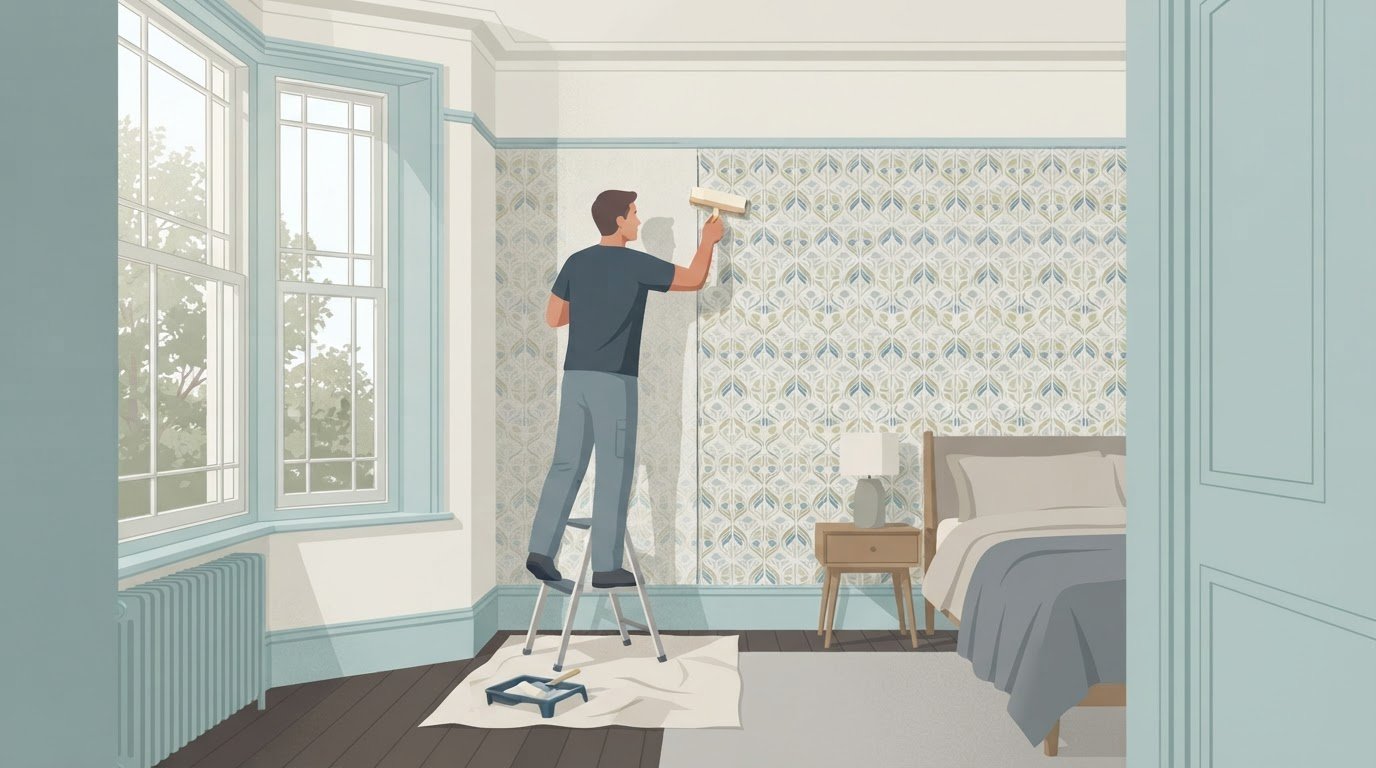
Our team can help when cabinet problems go beyond routine cleaning. Loose fittings, damaged doors and worn painted finishes may need practical property maintenance or home repairs. For chipped or peeling paint, painters and decorators can assess the surface and advise on suitable preparation and repainting.
Turn to a professional when recurring damage affects how cupboards look or work, or when a repair needs more than gentle cleaning. An assessment can distinguish a local repair from wider finish work, helping match the next step to the cabinets’ condition.
Contact our team to discuss property maintenance for your kitchen cabinets.
Loose fittings may need practical property maintenance or home repairs. Contact our team to discuss an assessment and suitable repairs.
Make your next cabinet repair easier to plan
A practical kitchen cabinet maintenance plan can start with a simple record. Note each cabinet’s material and finish, areas needing attention and repairs already completed. This gives the next professional a clearer picture of the surfaces and helps avoid repeating unsuitable treatments. In rented homes, keep the notes with other property maintenance records so they’re easy to find when work is needed.
Look beyond appearance when deciding what needs attention. A door that no longer closes evenly, a loose handle or paint lifting at an edge may need repair rather than another clean. Addressing the cause helps you plan suitable work and keep the kitchen usable.
If you’d like support assessing cabinet repairs or finish work, contact our trusted property maintenance team. Take the next step with a clear view of what your cupboards need, and keep your kitchen in good working order.
Frequently Asked Questions
When should you arrange professional kitchen cabinet cleaning?
Arrange a professional clean when grease remains after routine wiping or grime has built up around handles, door edges or trim. A clean can also help before repainting, after a spill leaves a mark, or when preparing a property for new occupants. If a door’s finish looks dull or patchy, a professional can assess whether cleaning is suitable or the surface needs repair.
How often should kitchen cabinets be professionally cleaned and maintained?
A professional deep clean every 3-6 months is a useful routine for tackling accumulated dirt. The interval can be shorter for cupboards beside a cooker, where cooking creates grease, or in a busy household with frequent spills. Weekly attention to handles helps manage fingerprints between deep cleans. A professional can also inspect doors and fittings during planned property upkeep, especially when cabinets see heavy daily use.
Which cleaning products do professionals use for wood, laminate, painted and gloss cabinets?
Professionals choose products according to the cabinet material and finish. Mild washing-up liquid diluted with warm water suits many routine cleaning tasks, while painted, laminate and engineered surfaces need an appropriately diluted solution. Gloss finishes also need a gentle, non-abrasive approach to limit scratches and visible marks. A professional tests the cleaner on a hidden area, then checks for changes before treating the visible surface.
How do professionals maintain and protect wooden kitchen cabinets?
For finished wood, professionals wipe spills promptly, use a damp rather than wet cloth, and dry the surface with a soft cloth. They limit frequent exposure to cleaning solutions and assess the finish before recommending protective treatment. Everyday care also means reducing prolonged steam exposure and watching for wear around edges, where repeated contact can affect the coating. This helps identify maintenance needs before surface damage spreads.
What should professionals avoid when cleaning kitchen cabinets?
Professionals avoid abrasive cleaners, direct scouring with rough materials and harsh chemicals that can damage finishes. They also avoid soaking doors or leaving cleaner residue, since excess moisture can affect wood and laminate. Wax-removing furniture products aren’t suitable for cabinet cleaning, and waxes or polishes can compromise protective coatings on metal. The safest method is a gentle cleaner suited to the material, applied carefully.
How do you tighten loose cabinet hinges, handles and drawer runners?
Check hinges for loose screws or misalignment, then tighten suitable fixings and adjust the door so it hangs evenly. Secure loose handle and drawer-runner connections and correct alignment where possible. Worn or damaged parts may need repair or replacement.
Comments